Medical and Pharmaceutical Labels: Features, Uses, Types, Materials, Customization, and More
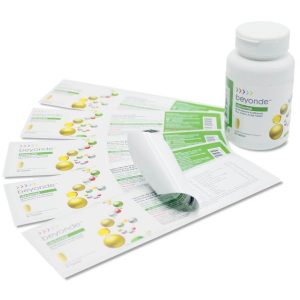

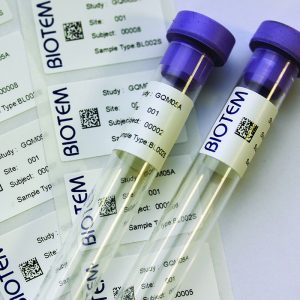
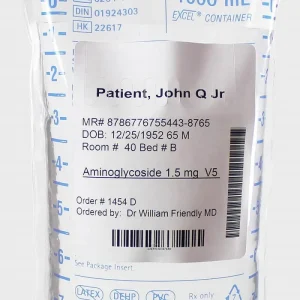
Medical and pharmaceutical labels play a critical role in the healthcare and pharmaceutical industries, ensuring clear communication of essential information for patients, healthcare providers, and supply chain personnel. These labels must meet stringent quality standards to guarantee accuracy, durability, and compliance. In this article, we’ll explore the key aspects of medical and pharmaceutical labels, including their features, uses, types, materials, production methods, customization options, and best practices for their application.
1. Features of Medical and Pharmaceutical Labels
Medical and pharmaceutical labels are designed with specific features to ensure reliability and compliance:
- Legibility: Text, barcodes, and symbols must be crisp and easy to read, even in small formats.
- Durability: The labels need to resist water, chemicals, and abrasion, maintaining their integrity in diverse conditions.
- Adhesive Strength: High-quality adhesives ensure the labels stay in place on various surfaces, including vials, blister packs, and cartons.
- Compliance: Labels must adhere to strict industry regulations, such as FDA, ISO, or GMP standards.
- Traceability: Incorporation of barcodes, QR codes, and serial numbers supports supply chain tracking and counterfeit prevention.
2. Uses of Medical and Pharmaceutical Labels
Medical and pharmaceutical labels serve diverse functions in the healthcare industry:
- Product Identification: Ensures accurate labeling of medications, devices, and medical equipment.
- Dosage Instructions: Communicates essential information such as dosage amounts, frequencies, and precautions.
- Regulatory Compliance: Displays mandatory information like batch numbers, expiry dates, and certifications.
- Patient Safety: Provides clear warnings and instructions to prevent misuse or adverse reactions.
- Inventory Management: Facilitates tracking of stock levels and movement through barcoding systems.
3. Types of Medical and Pharmaceutical Labels
There are several types of labels designed to meet specific medical and pharmaceutical needs:
- Primary Packaging Labels: Used on vials, bottles, syringes, and blister packs, providing critical product information.
- Secondary Packaging Labels: Applied to cartons and boxes, typically containing batch details, expiration dates, and barcodes.
- Tamper-Evident Labels: Indicate if a product’s packaging has been opened or altered, ensuring product integrity.
- Cold Chain Labels: Designed for medications that need temperature-controlled storage, these labels are durable and resistant to condensation.
- Removable Labels: For applications like clinical trials, these labels can be easily removed without leaving residue.
4. Materials for Medical and Pharmaceutical Labels
The choice of materials is critical for ensuring that labels perform effectively in various environments:
- Paper: Suitable for dry, indoor applications with minimal handling.
- Polypropylene (PP): Water-resistant and durable, ideal for primary and secondary packaging.
- Polyester (PET): Offers excellent chemical resistance, making it a top choice for demanding environments.
- Vinyl: Flexible and durable, often used for tamper-evident or durable labels.
- Thermal Paper: Common for printing variable information like batch numbers and expiry dates in real-time.
5. Production Processes for Medical and Pharmaceutical Labels
Producing medical and pharmaceutical labels requires precision and compliance with stringent quality standards:
- Digital Printing: Ideal for small batches and customized designs, offering quick turnaround times and high-quality results.
- Flexographic Printing: A cost-effective method for large production runs with consistent quality.
- Thermal Printing: Used for printing barcodes, batch numbers, and expiration dates on demand.
- Screen Printing: Ensures durability and clarity for labels exposed to harsh conditions.
6. Customization Options for Medical and Pharmaceutical Labels
Customization is key to meeting the unique requirements of medical and pharmaceutical products:
- Size and Shape: Labels can be cut to fit any packaging, from small vials to large cartons.
- Adhesive Options: Choose between permanent, removable, or repositionable adhesives based on application needs.
- Variable Data Printing: Incorporate batch numbers, barcodes, and expiration dates for traceability and compliance.
- Special Features: Options like UV coatings, laminations, or holograms enhance durability and security.
- Color Coding: Helps distinguish between different medications, doses, or usage instructions.
7. Key Considerations for Using Medical and Pharmaceutical Labels
When selecting and applying medical and pharmaceutical labels, consider the following:
- Regulatory Compliance: Ensure labels meet all relevant legal and industry standards.
- Environment: Account for exposure to moisture, chemicals, or extreme temperatures when choosing materials.
- Adhesion: Verify that the adhesive is compatible with the packaging material and storage conditions.
- Durability: Ensure labels remain legible and intact throughout the product’s lifecycle, from manufacturing to end use.
- Patient Safety: Prioritize clarity and accuracy to prevent errors or misuse.
Why Choose Us for Your Medical and Pharmaceutical Labels?
At our label printing factory, we understand the critical importance of precision and reliability for medical and pharmaceutical labels. Here’s why we’re the trusted partner for your labeling needs:
- Extensive Industry Experience: We have years of expertise producing compliant and high-quality labels for the healthcare and pharmaceutical sectors.
- Advanced Printing Technology: Our state-of-the-art printing equipment ensures impeccable results with consistent quality.
- Modern Equipment: We are equipped to handle any order size, from small runs to large-scale production, efficiently and effectively.
- Custom Solutions: We offer tailored designs to meet your unique specifications, including materials, adhesives, and special features.
- Exceptional Service: Our dedicated team is committed to delivering outstanding customer service and ensuring your satisfaction.
Let us help you create the perfect medical and pharmaceutical labels to meet your needs. Contact us today to discuss your project or request a quote!

