PCB Labels: Features, Applications, Types, Materials, Customization, and Usage Tips
PCB (Printed Circuit Board) labels are essential for identifying and tracking electronic components throughout the manufacturing and maintenance processes. These labels are designed to withstand the challenging environments associated with electronics, including high temperatures, chemicals, and moisture. In this article, we’ll explore the key features, applications, types, materials, customization options, and important considerations for using PCB labels effectively.
1. Features of PCB Labels
PCB labels are tailored for the unique demands of electronics manufacturing. Here are their defining characteristics:
- Heat Resistance: Able to endure the high temperatures of reflow soldering and other PCB processes.
- Chemical Resistance: Resistant to solvents, flux, and cleaning agents used during assembly.
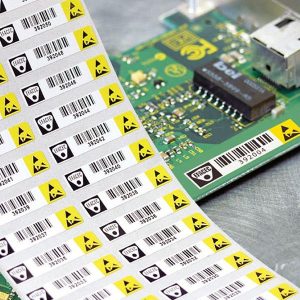
- Static Dissipative Properties: Prevents static electricity buildup to protect sensitive components.
- Compact and Durable: Designed for small surfaces with strong adhesive properties.
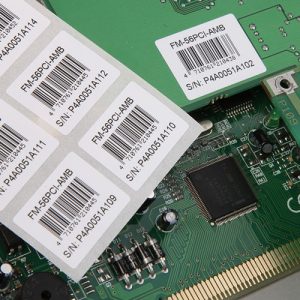
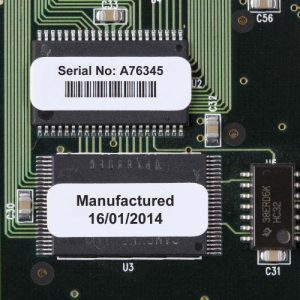
- Clear Identification: Supports sharp, legible printing for barcodes, serial numbers, and text.
2. Applications of PCB Labels
PCB labels are widely used in various stages of electronics production and maintenance:
- Traceability: Ensure accurate tracking of components through the manufacturing process.
- Quality Control: Facilitate inspection and testing by clearly identifying parts.
- Inventory Management: Use barcodes and QR codes for efficient stock tracking.
- Maintenance: Aid in repairs and replacements by marking specific components or boards.
- Compliance: Meet industry regulations for labeling and tracking electronic products.
3. Types of PCB Labels
PCB labels come in various forms to meet different needs:
- Thermal Transfer Labels: Durable and heat-resistant labels ideal for PCBs exposed to high temperatures.
- Polyimide Labels: Specially designed for extreme heat and harsh chemical environments.
- ESD (Electrostatic Discharge) Labels: Protect sensitive electronics by dissipating static charges.
- Removable Labels: Allow temporary marking for inspection or assembly without leaving residue.
- Pre-Printed Labels: Feature standard warnings, barcodes, or logos for quick application.
4. Materials for PCB Labels
The right material is crucial for ensuring PCB labels perform reliably under challenging conditions:
- Polyimide: Known for its exceptional heat resistance, making it the top choice for PCB labels.
- Polyester: Durable and chemical-resistant, suitable for environments with lower heat exposure.
- Acrylic Adhesives: Ensure strong adhesion even on small, irregular surfaces.
- Static Dissipative Films: Prevent static buildup to safeguard sensitive components.
5. Processes Used for PCB Label Production
Advanced printing and manufacturing techniques are used to produce PCB labels:
- Thermal Transfer Printing: Ensures durable and precise labels that withstand heat and chemicals.
- Digital Printing: Offers flexibility for small batches and custom designs.
- Laser Engraving: Creates permanent markings for extreme durability.
- Protective Coatings: Adds layers to enhance resistance to abrasion and chemicals.
6. Customization Options for PCB Labels
PCB labels can be fully customized to meet the specific needs of manufacturers:
- Size and Shape: Fit tight spaces on small PCBs with precisely cut labels.
- Variable Data Printing: Include serial numbers, barcodes, or QR codes for tracking and traceability.
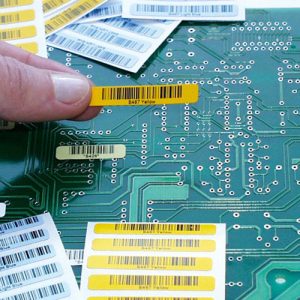
- Color Coding: Use color schemes for quick identification of different PCB types.
- ESD-Safe Designs: Incorporate materials that minimize static risks.
- Custom Logos and Warnings: Enhance branding and compliance with industry standards.
7. Tips for Using PCB Labels
To maximize the effectiveness of PCB labels, consider the following:
- Evaluate Environmental Conditions: Choose materials and adhesives suited for exposure to heat, chemicals, and humidity.
- Ensure Surface Cleanliness: Apply labels to clean and dry surfaces for optimal adhesion.
- Verify Compliance: Ensure labels meet industry standards like RoHS, UL, or CE certifications.
- Plan for Durability: Select labels that retain readability even after soldering or cleaning.
- Test Compatibility: Confirm that adhesives and materials are compatible with your PCB components.
Why Choose Us for Your PCB Labels?
At our label printing facility, we specialize in creating high-performance PCB labels tailored to the electronics industry. Here’s why we’re the best choice for your labeling needs:
- Extensive Experience: Years of expertise in producing labels for sensitive and high-precision applications.
- State-of-the-Art Equipment: Advanced printing technologies ensure flawless results and consistent quality.
- Custom Solutions: Fully customizable options to meet the unique requirements of your production processes.
- Durable and Reliable: Labels designed to withstand heat, chemicals, and static, ensuring long-lasting performance.
- Exceptional Service: Our dedicated team is here to guide you through the labeling process and deliver solutions that exceed expectations.
Contact us today to discuss your PCB labeling needs or to request a quote. We’re excited to collaborate with you and provide labels that match the precision of your electronic products!
Let me know if further edits or translations are needed!

