Blank Labels: Features, Uses, Types, Materials, Customization, and More
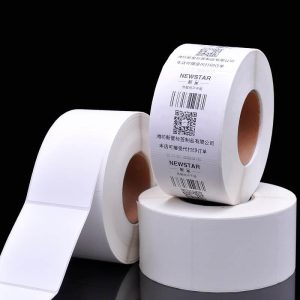
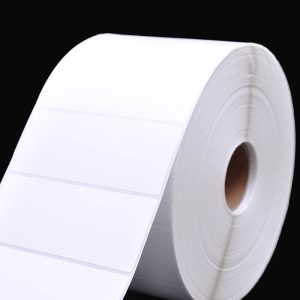
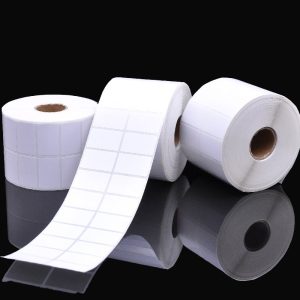
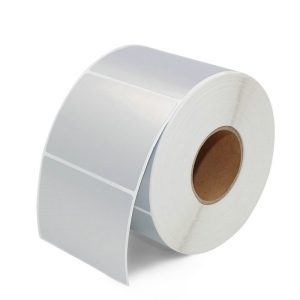
Blank labels are incredibly versatile and offer endless possibilities for a wide range of applications. Whether you need them for personal use, office organization, or industrial purposes, blank labels provide a customizable solution for almost any task. In this article, we’ll cover the key aspects of blank labels, including their features, uses, types, materials, production methods, and customization options, as well as essential considerations when using them.
1. Features of Blank Labels
Blank labels come with several notable features that make them adaptable for various needs:
- Versatility: They can be used for different purposes, from product labeling to organizational tasks.
- Easy to Customize: You can print, write, or design on them as needed, allowing for maximum flexibility.
- Adhesive Quality: High-quality adhesive ensures that the labels stay securely in place on a wide variety of surfaces.
- Durability: Depending on the materials used, blank labels can be water-resistant, tear-proof, and weatherproof.
2. Uses of Blank Labels
Blank labels are widely used across many industries and for personal use. Common applications include:
- Product Labeling: Ideal for adding product information, barcodes, or pricing at any point in the supply chain.
- Organizing: Perfect for labeling files, folders, and office supplies, helping keep spaces tidy and efficient.
- Shipping Labels: They can be printed with recipient and sender information for packages.
- Inventory Management: Used in warehouses and retail settings to label stock and manage inventory efficiently.
3. Types of Blank Labels
There are various types of blank labels to suit different needs. Common types include:
- Sheets: Usually formatted for inkjet or laser printers, blank label sheets come in multiple sizes and layouts.
- Rolls: These are typically used in industrial printers for high-volume label printing.
- Pre-Cut Shapes: Available in different shapes like circles, squares, or rectangles, ready for use.
- Removable Labels: Ideal for temporary labeling, as they can be easily removed without leaving residue.
4. Materials for Blank Labels
The material you choose for your blank labels impacts both performance and appearance. Popular materials include:
- Paper: Common for standard office and product labeling, suitable for indoor use.
- Polyester: Durable and resistant to water, oil, and tearing, often used for outdoor and industrial applications.
- Vinyl: Flexible and durable, perfect for labels that require water resistance and weatherproofing.
- Thermal Paper: Specially designed for direct thermal or thermal transfer printing, commonly used in shipping and logistics.
5. Production Processes for Blank Labels
Several production processes can be used to create blank labels, depending on the volume and material:
- Digital Printing: This process allows for quick turnaround times and is ideal for small to medium-sized batches.
- Flexographic Printing: A cost-effective option for larger print runs, providing excellent quality on different materials.
- Laser Cutting: Used to create custom shapes and sizes of blank labels with precision.
- Thermal Printing: Common in logistics, this process is used for creating barcodes and shipping labels.
6. Customization Options for Blank Labels
Blank labels offer multiple customization options to suit your specific needs:
- Size and Shape: Custom labels can be made in any size or shape to fit your packaging, products, or surfaces.
- Finish: Choose from glossy, matte, or textured finishes to achieve the right look and feel for your labels.
- Adhesive Strength: Options range from removable to permanent adhesives, depending on how long the label needs to stay in place.
- Pre-Printed Marks: For businesses requiring consistent branding, you can opt for partial pre-printing of logos or designs while leaving room for variable data like barcodes or dates.
7. Key Considerations for Using Blank Labels
Before purchasing blank labels, consider the following:
- Surface Compatibility: Ensure that the label’s adhesive and material will work well on the surface you’re applying it to, whether it’s glass, metal, or plastic.
- Printing Method: Choose the right type of label material based on whether you’re using an inkjet, laser, or thermal printer.
- Temperature Resistance: For products that are exposed to extreme temperatures, ensure your labels can withstand these conditions.
- Eco-Friendly Options: Consider using sustainable or recyclable materials to align with environmentally conscious practices.
Why Choose Us for Your Blank Label Needs?
At our label printing factory, we have years of experience providing high-quality blank labels to meet a wide range of customer requirements. Here’s why working with us is the right choice:
- Extensive Experience: We’ve been producing blank labels for various industries for years, ensuring we understand the unique needs of our customers.
- Advanced Printing Technology: Our cutting-edge printing technology allows us to offer vibrant, precise, and consistent results every time.
- Modern Equipment: With state-of-the-art machinery, we can handle any order size, from small batches to bulk orders, quickly and efficiently.
- Customization Experts: We offer tailored solutions that meet your exact specifications, whether it’s a unique size, shape, or material.
- Top-Notch Service: Our friendly and knowledgeable team is dedicated to providing excellent service, from initial consultation to delivery.
Let us help you find the perfect blank label solution for your business! Contact us today to learn more or request a quote.

