Food Packaging Labels: Features, Uses, Types, Materials, Customization, and More
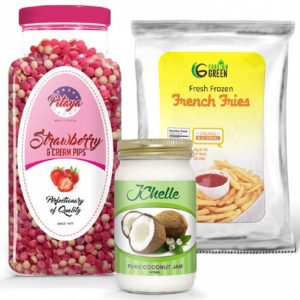
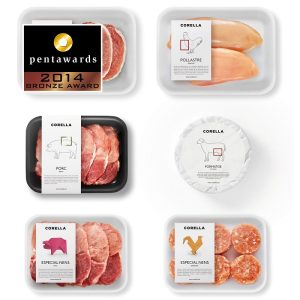
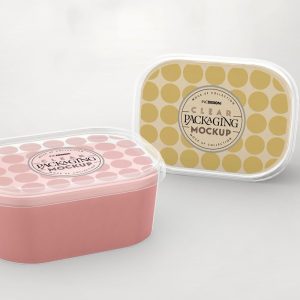
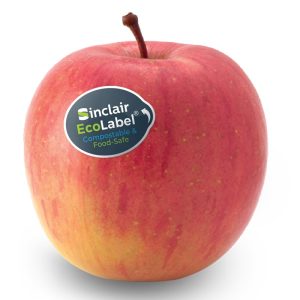
Food packaging labels are an integral part of the food industry, providing critical information and serving as a marketing tool. They communicate important details like ingredients and nutritional information while enhancing brand recognition. A well-designed, durable label can significantly impact a product’s marketability and consumer trust. Below, we will explore everything you need to know about food packaging labels, from their features and uses to materials, customization options, and key considerations.
Features of Food Packaging Labels
- Durability: Food packaging labels need to offer durability and withstand different conditions, such as cold, heat, and moisture, ensuring they remain intact and legible throughout the product’s lifecycle. For products stored in refrigerators or freezers, the ability to maintain adhesion and resist damage from condensation or temperature shifts is essential.
- Safety Compliance: Labels must comply with strict food safety regulations. This includes using non-toxic, food-safe materials and inks that won’t pose a risk to consumers.
- Clarity: Clear, legible text is also important for displaying key information, such as ingredients, allergens, expiration dates, and nutritional facts.
- Moisture Resistance: High moisture resistance is necessary, especially for products like beverages or frozen foods, where water and condensation could damage the label.
- Customizable Design: The design of a label plays a crucial role in branding. Labels should allow for creative flexibility, providing the opportunity to customize shapes, sizes, colors, and finishes to match the brand’s identity.
- Strong Adhesive: The quality of the adhesive must ensure that labels stay securely on the product, even in challenging storage environments.
Detailed Uses of Food Packaging Labels
- Nutritional Information: Food labels serve a wide range of purposes in the food industry. Displaying nutritional information is essential for consumers to make informed dietary choices. This includes information such as serving size, calorie count, and nutrient content, which are mandatory in most countries.
- Ingredient Lists: Ingredient lists on food labels allow consumers to check for allergens or specific dietary preferences.
- Allergen Warnings: Allergens like nuts, dairy, or gluten are often highlighted to help consumers avoid products that could trigger allergic reactions.
- Product Certifications: Food packaging labels also play a vital role in communicating important certifications, such as organic, non-GMO, or fair trade.
- Expiry Dates: Expiration dates and best-before dates are clearly displayed to ensure product safety and freshness. This is particularly important for perishable goods like dairy, meat, and fresh produce.
- Cooking and Storage Instructions: Labels for prepackaged or frozen foods often include detailed cooking instructions and proper storage recommendations to help consumers maintain product quality.
- Marketing and Branding: Labels are essential for establishing and reinforcing brand identity through logos, colors, and designs that appeal to consumers. A well-designed label enhances the product’s visibility and recognition.
Full Categories of Food Packaging Labels
- Pressure-Sensitive Labels: The most common type of label, pressure-sensitive labels adhere to various surfaces such as glass, plastic, and metal. They can be made from materials like paper, polypropylene, or vinyl and are easy to apply, making them a versatile option for food packaging.
- Shrink Sleeve Labels: These labels provide 360-degree coverage of containers and are ideal for products with unusual shapes. When heat is applied, the label shrinks tightly around the container, creating a full-body design that maximizes branding space.
- Heat-Shrink Labels: Used for products that require heat application during the labeling process, heat-shrink labels offer a secure fit and added protection from moisture.
- Direct Thermal Labels: Ideal for short-term use, direct thermal labels don’t require ink and are commonly used for perishable items like fresh produce or deli meats. However, they are less resistant to heat and light, so they’re best suited for products with a short shelf life.
- In-Mold Labels: Applied during the molding process of plastic containers, in-mold labels are highly durable and waterproof, ensuring a long-lasting bond. These labels offer a seamless look and are ideal for products that need extra protection.
- Removable Labels: Removable labels are designed for easy peeling without leaving behind any residue. These are commonly used for products where the packaging is reused or repurposed.
- Tamper-Evident Labels: To enhance product security, tamper-evident labels make it clear if a product has been opened or altered. These labels are widely used for jars, bottles, and sealed food packages to protect consumer safety.
Material Options for Food Packaging Labels
- Paper: Paper is a cost-effective material used for labeling dry or shelf-stable products. It can be enhanced with various finishes, such as matte, glossy, or UV coatings, to improve its appearance and durability.
- Polypropylene (PP): This durable plastic material is water-resistant and well-suited for products exposed to moisture, such as beverages or frozen foods. Polypropylene offers excellent print quality and can be used for pressure-sensitive labels.
- Polyethylene (PE): Known for its flexibility and moisture resistance, polyethylene is ideal for products that encounter wet or oily conditions, like condiments or sauces. It’s also used for flexible packaging materials.
- Vinyl: Vinyl is a highly durable material that can withstand harsh conditions, including exposure to extreme temperatures and moisture. It’s commonly used for outdoor products or packaging that requires additional strength.
- BOPP (Biaxially Oriented Polypropylene): BOPP labels are strong, waterproof, and resistant to chemicals, making them ideal for food products like bottled beverages or oily foods. This material also allows for high-quality printing and vibrant colors.
- Recyclable and Compostable Materials: For brands focusing on sustainability, eco-friendly materials such as recycled paper or biodegradable films are becoming popular. These materials help reduce environmental impact while maintaining label performance.
Printing Techniques for Food Packaging Labels
- Flexographic Printing: One of the most efficient methods for high-volume production, flexographic printing uses fast-drying inks and can print on a variety of materials. This method is cost-effective and delivers high-quality, consistent results for large batches.
- Digital Printing: Digital printing is perfect for smaller batches or highly customized orders. It allows for quick changes to the design, making it ideal for brands that need to print labels with different versions or personalized details.
- Screen Printing: For specialty labels that require rich, opaque colors or raised textures, screen printing is a great choice. This technique works well for premium products or packaging with textured finishes.
- Hot Foil Stamping: Adding a touch of luxury to labels, hot foil stamping uses metallic foils like gold or silver to enhance a label’s visual appeal. It’s commonly used for gourmet or high-end food products.
- Embossing and Debossing: Embossed or debossed labels add texture to packaging by creating raised or indented designs. These techniques are used to create a tactile experience for consumers, making the product feel more premium.
Customization Options
- Shapes and Sizes: We offer complete flexibility in designing labels to match your specific packaging needs. Whether you require round, rectangular, or custom-shaped labels, we can create a design that fits perfectly.
- Finishes: Choose from a range of finishes, including matte, glossy, and textured options, to enhance the visual appeal of your labels.
- Sustainable Options: For brands that are environmentally conscious, we offer sustainable materials such as recycled paper or biodegradable films to help minimize environmental impact.
- Special Effects: Enhance your labels with spot UV coatings, embossing, foiling, or custom die-cuts to make your packaging truly stand out on the shelf.
Key Considerations for Food Packaging Labels
- Regulatory Compliance: Ensure that all necessary information, such as nutritional facts, allergens, and expiration dates, are displayed clearly to comply with food safety regulations.
- Storage Conditions: Consider the conditions in which your products will be stored, such as refrigeration, freezing, or exposure to light, and select materials and adhesives that will hold up in those environments.
- Packaging Compatibility: The label should adhere well to the product’s packaging material, whether it’s plastic, glass, metal, or cardboard. The label’s size and shape should also complement the packaging design.
Why Choose Us for Your Food Packaging Labels?
With extensive experience in the food packaging label industry, we provide high-quality labels that meet both functional and branding requirements. Our advanced printing technology and skilled team ensure that your labels are produced with precision, durability, and vibrant colors, creating an eye-catching package that stands out on store shelves.
We offer a wide range of customization options to fit your specific needs, from sustainable materials to premium finishes. Our customer service is second to none, and we work closely with clients to create labels that exceed expectations.
Contact us today to discuss your food packaging label needs and discover how we can help you elevate your brand with professional, high-quality labels!

